Lift Specification: Key Considerations
Personnel lifts bring hard-to-access areas of facilities into reach for maintenance and engineering technicians. But these units can increase worker productivity and help managers hold down repair costs only if workers operate them safely. The latest generation of lifts gives users advances in safety features designed to address the most common safety hazards and violations related to lifts. The challenge for managers is to specify lifts that meet worker needs while reinforcing the message of safety with appropriate training.
Safety as a Process
When specifying personnel lifts, managers should not focus only on the safety features related to a specific maintenance task. Instead, they need to focus on all phases of the equipment process to make solid decisions when specifying equipment and training operators and technicians.
These phases start with essential steps before operation, including training, planning, preparation, and inspection.
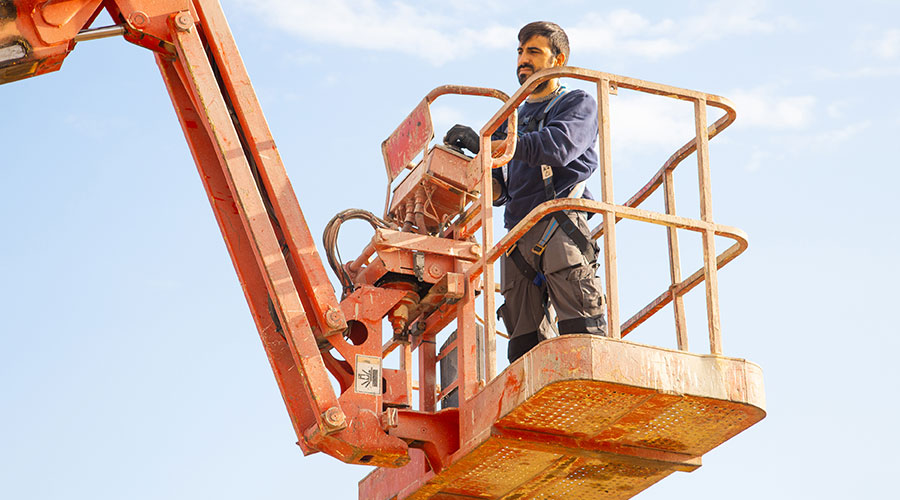
Key considerations also relate to the actual work period, including: properly moving the lift; climbing onto it; wearing personal protective equipment (PPE), including fall protection; raising and lowering the platform; checking for overhead obstructions; on-the-job supervision; and moving workers and tools on the elevated platform.
The final set of considerations involves post-operation requirements, including proper cleanup, storage, and security, as well as weekly, monthly, annual, and additional service requirements. Proper cleanup and storage includes removing all tools, equipment and materials from the platform and stowing them in lockers or returning them to stores.
The operator also should check safety devices to ensure they are in their out-of-use position and ready for the next user. Security includes both on- and off-the-job access control to prevent unauthorized access.
Related Topics: