Electrical Training Prevents Fire, Shock and Electrocution
OSHA’s electrical standards aim to protect employees exposed to dangers that include electric shock, electrocution, fire and explosions. OSHA standards focus on the design and use of electrical equipment and systems.
The standards cover only the exposed or operating elements of an electrical installation, such as lighting, equipment, motors, machines, appliances, switches, controls, and enclosures. They require technicians to construct and install these components to minimize electrical dangers.
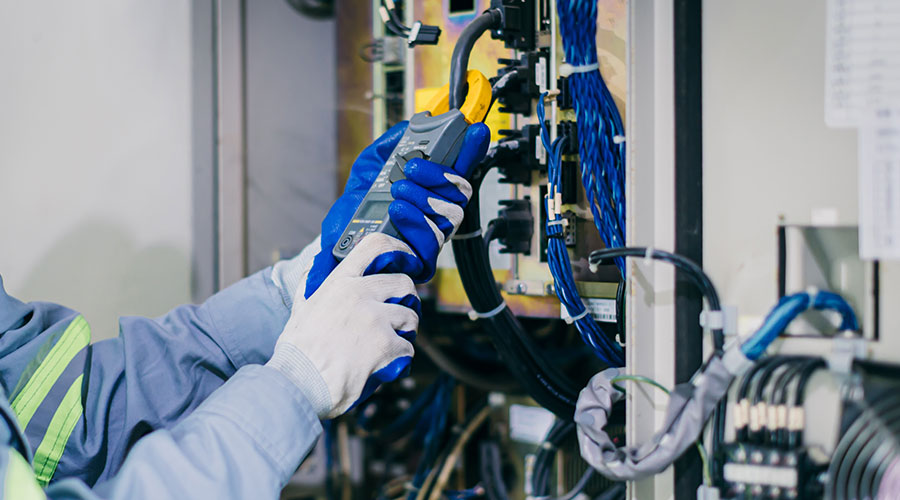
General electrical training should cover: de-energizing equipment; using lockout/tagout procedures to ensure equipment remains de-energized; using insulating protective equipment; and maintaining a safe distance from energized parts.
The training must be in the classroom or on the job site, and the risk to the employee determines the degree of training. Electricians and HVAC technicians might require additional training on arc-flash hazards and electrical equipment in hazardous locations.
Related Topics: