HVAC: Boiler and Control-System Training
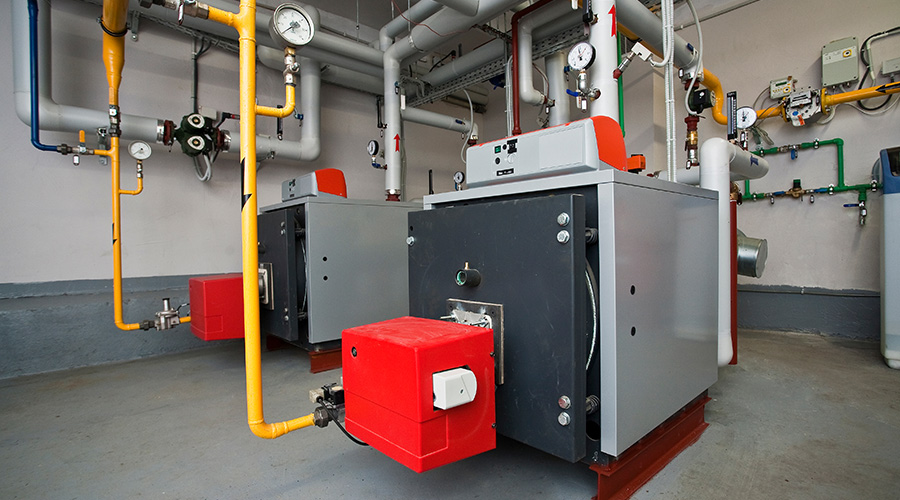
The content of training programs for operators of boilers and control systems will differ by organization. But in developing an effective training program, managers should ensure boiler operators and technicians understand the following items:
- the operation of all boiler-control functions
- potential problems if a boiler continually fires with low water levels
- all possible methods of feeding water to a boiler
- the importance of the lower water cutoff
- results from having the water level too high for steam boilers
- steps in a boiler blowdown
- safely starting and shutting off a boiler
- steps for starting a second boiler
- the operation of float-type and probe-type cutoffs for low water
- performing a slow drain test on a low-water cutoff for steam boilers
- perform a drain test on a low-water cutoff
- troubleshooting a low-water condition
- shutting off a boiler's fuel supply
- shutting off a boiler's electrical power
- testing a boiler's safety or relief valves
- determining where the valve discharge goes
- testing pressure switches on a steam boiler
- testing the temperature switches on a hot-water boiler
- identifying the source of combustion air
- steps in testing a sight glass — or gage glass — to ensure it is unobstructed and indicates the correct water level
- the importance of boiler controls and safety devices.
— By Michael Mooney, Mechanical Engineer, Smith Seckman Reid Inc.
Related Topics: